Blog
Turmeric, Lead and Supplement Testing: What the 2017 Study Found
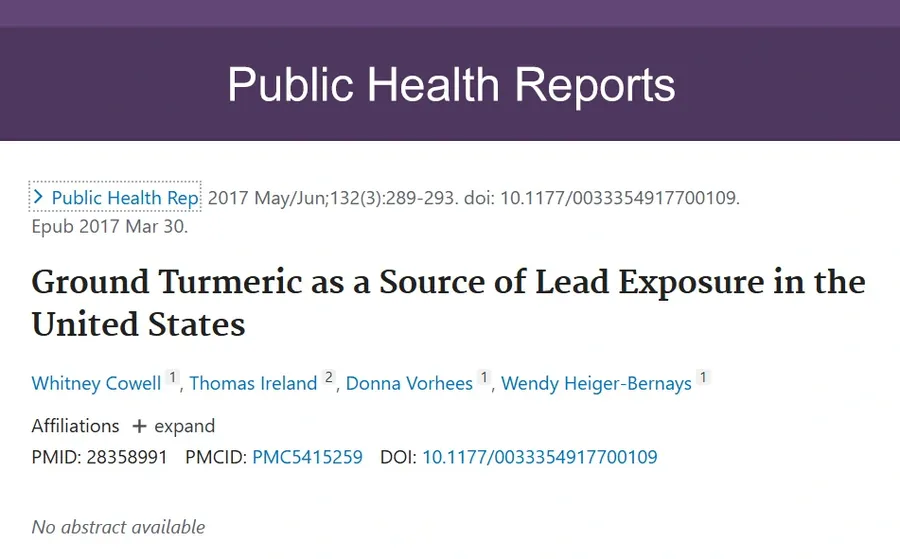
A 2017 Public Health Reports study tested 32 ground turmeric samples from the Boston area and found lead in every one, from 0.03 to 99.5 ppm. Joint Glide contains no turmeric. Its label shows a Lab Tested icon, but no lab is named and no report is published. Ask the seller for a lot-matched lab report before you rely on a testing claim.
What did the 2017 turmeric and lead study find?
Every sample had lead. Researchers tested 32 samples of ground turmeric bought in the Boston area and found detectable lead in all 32 (Cowell et al., 2017).
The levels ranged widely, from 0.03 to 99.5 parts per million. Most samples were at the low end, and a few were far higher.
The study appeared in Public Health Reports, a journal of the U.S. Public Health Service. It looked at kitchen spice, not at supplements or capsules.
What do the lead numbers mean in plain terms?
Parts per million, or ppm, is a share by weight. One ppm means one microgram of lead in each gram of spice.
So 0.03 ppm is a trace. At 99.5 ppm, one gram of spice would carry close to 100 micrograms of lead. That is a gap of more than 3,000 times between the lowest and highest sample.
Lead builds up in the body over time, and children are most at risk. That is why heavy-metal testing matters for any product made from plants, roots or bark.
Does Joint Glide contain turmeric?
No. Turmeric and curcumin are not on the Joint Glide label. The 10 ingredients are vitamin B6, magnesium, zinc, copper, devil's claw root powder, MSM, glucosamine, pine bark, white willow bark and black pepper extract.
Black pepper is the one link. Piperine, its main compound, is often paired with turmeric. In one well-known study, 20 mg of piperine raised blood levels of curcumin in people (Shoba et al., 1998). Joint Glide uses black pepper extract with no turmeric beside it.
The turmeric data therefore do not describe Joint Glide's contents. They do show why plant ingredients deserve testing.
Which Joint Glide ingredients come from plants?
Four of the 10 come from plants. Devil's claw, white willow bark, pine bark and black pepper all start in soil, where metals can be picked up.
| Ingredient | Amount | Source type | Form |
|---|---|---|---|
| Devil's claw | 500 mg | Plant root | Whole root powder |
| White willow bark | 150 mg | Tree bark | Extract |
| Pine bark | 150 mg | Tree bark | Extract, 95% proanthocyanidins |
| Black pepper | 10 mg | Fruit | Extract, 95% piperine |
| MSM and glucosamine | 300 mg and 200 mg | Made compounds | Powder |
| B6, magnesium, zinc, copper | 0.5 to 100 mg | Minerals and vitamin | Chelates and P5P |
Devil's claw is the largest item and the least processed. A whole root powder keeps more of what the plant absorbed than a refined extract. That makes it the ingredient most worth asking about.
Who checks supplements before they are sold?
No one does in advance. The FDA does not approve dietary supplements before they reach stores (FDA, Supplement Q&A). Registering a factory with the FDA is a listing, not a review of the product. That leaves testing to the maker, and proof of it to the buyer's questions.
Why does the turmeric study appear in Joint Glide sales material?
The sales material shows a screenshot of the study. The seller has not explained how it should be read, so we will not guess.
What the study itself covers is clear:
- It tested ground turmeric spice from stores.
- It did not test Joint Glide or any joint supplement.
- It does not show that any other brand is unsafe.
- It does show that plant products can carry lead.
Read that way, the study is a fair reminder to ask about testing. It is not evidence about Joint Glide either way.
How do you judge a heavy-metal testing claim?
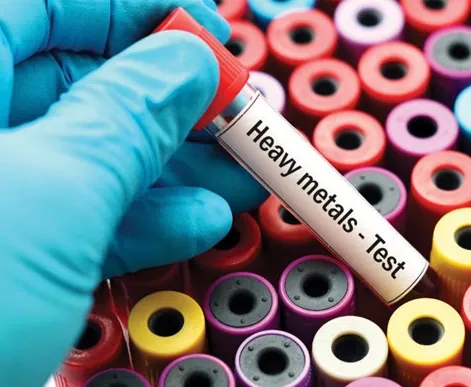
A testing claim is only as good as the report behind it. Look for a named lab, real numbers and a lot number that matches your bottle.
A badge or icon tells you a claim was made. A certificate of analysis tells you what was measured.
| What to look for | Checkable claim | Badge only | Joint Glide today |
|---|---|---|---|
| Lab name | Named, independent lab | No name | Not published |
| Heavy metals | Lead, arsenic, cadmium, mercury with numbers | "Tested" only | Not published |
| Lot match | Report lot equals bottle lot | No lot shown | Lot code exists; no report |
| Date | Test date on the report | None | Not published |
| Access | Posted online or sent on request | Not offered | Ask the order desk |
What does Joint Glide's label say about testing?
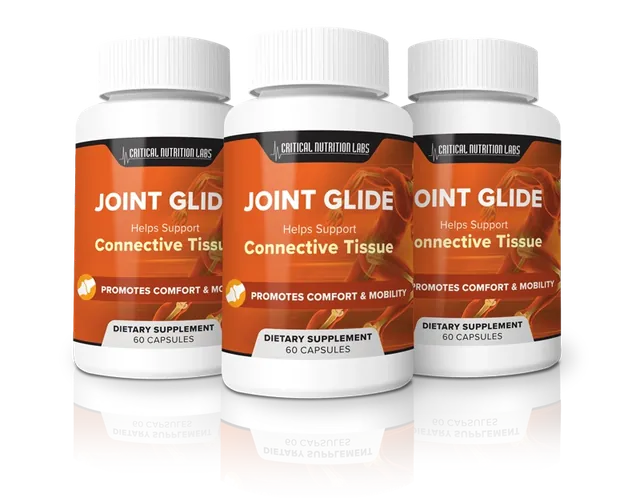
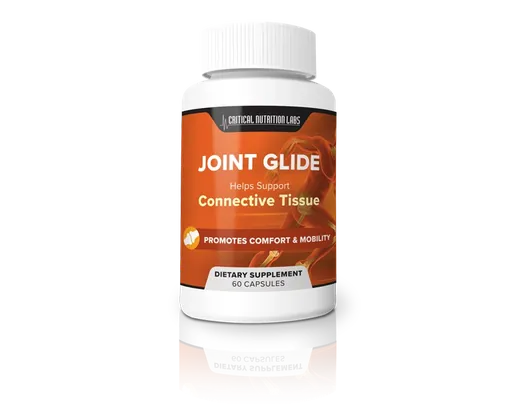
The label shows a Lab Tested icon next to Non-GMO and Soy Free. It does not name a lab, and no lab report has been published.
| Label icons | Non-GMO · Soy Free · Lab Tested |
|---|---|
| Lab named | Not published |
| Lab report | Not published |
| Lot reference | JOI-26/MY-4085 |
| CoA reference | JOI-4085-26-MY |
The lot and CoA codes are the seller's own references. No lab letter goes with them. They help match a bottle to an order, which you can do by phone.
More detail is on Joint Glide testing and quality and batch verify.
The study and the label at a glance
Samples with lead
Boston-area turmeric, 2017.
Turmeric in Joint Glide
Not among its 10 ingredients.
Lab reports published
A Lab Tested icon only.
What should you ask the Joint Glide seller about testing?
Call the order desk at +1 (727) 351-3065 with your bottle in hand.
Which lab tested this lot?
Ask for the lab's name and whether it is independent of the maker.
Were heavy metals measured?
Ask for the lead, arsenic, cadmium and mercury results as numbers.
Can I see the report for my lot?
Read the lot code from your bottle and ask for the matching certificate.
What does Lab Tested cover?
Ask whether it means identity, purity, microbes, metals or all four.
Write down the answers and the date of the call. If the answers fall short, the 60-day money-back guarantee still applies.
What does the turmeric study mean for Joint Glide buyers?
It is a good prompt, not a verdict. The study is about turmeric spice, and Joint Glide has no turmeric.
The useful lesson is general. Plant-based products can pick up metals from soil and processing, so named, lot-matched testing is worth asking for. Joint Glide has not published that yet.
Testing is one part of the picture. For doses, read Joint Glide doses vs research. For the aspirin-family ingredient, read white willow bark and aspirin.
FAQ
Turmeric, lead and Joint Glide testing FAQ
Does Joint Glide contain turmeric?
No. Turmeric and curcumin are not among its 10 label ingredients.
What did the 2017 turmeric study find?
All 32 Boston-area ground turmeric samples had detectable lead, from 0.03 to 99.5 ppm (Cowell et al., 2017).
Has Joint Glide been tested for heavy metals?
The label shows a Lab Tested icon, but no lab is named and no results are published. Ask the order desk for a lot-matched report.
Is the CoA reference on Joint Glide a lab report?
No. JOI-4085-26-MY is a seller reference code. No lab letter goes with it.
Why is black pepper often paired with turmeric?
Piperine changes how some compounds are absorbed; 20 mg raised curcumin levels in people (Shoba et al., 1998). Joint Glide uses black pepper without turmeric.
Who do I call with testing questions?
Call the order desk at +1 (727) 351-3065. The website inbox cannot see orders or lot records.
Keep reading
More about Joint Glide
Testing & quality
What each quality badge on Joint Glide really means, and which claims can and cannot be checked.
Read more
Joint Glide doses vs research
Every Joint Glide dose set against the research: where it matches, where it falls short and what to ask.
Read more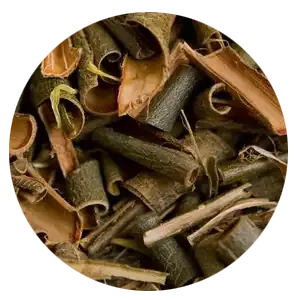
White willow bark and aspirin
Salicin, aspirin and Joint Glide: research doses, who should skip willow bark and what to ask a pharmacist.
Read moreUSA authorized Joint Glide retailer
Ready to try Joint Glide with the 60-day guarantee?
Order through the authorized retailer page so your order ID is on file with the refund desk. One bottle is $69.00 plus $7.99 shipping on the order page; 3 and 6-bottle prices are shown at checkout.
Questions before you buy? Call +1 (727) 351-3065. 60-day money-back guarantee, return shipping paid by the buyer.