Blog
Joint Glide Doses vs Research: Glucosamine, MSM and Pine Bark by the Numbers
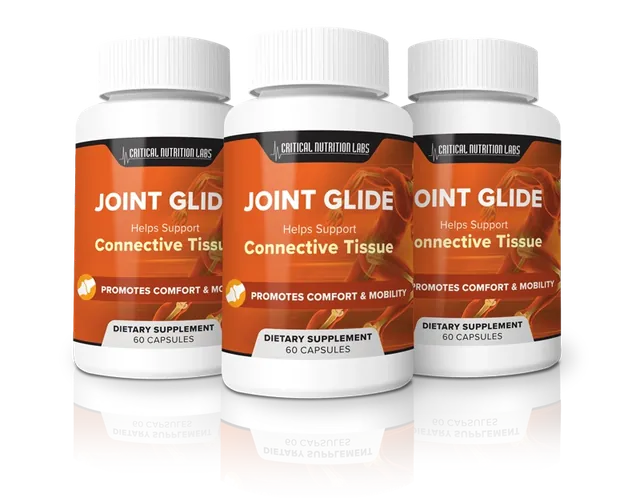
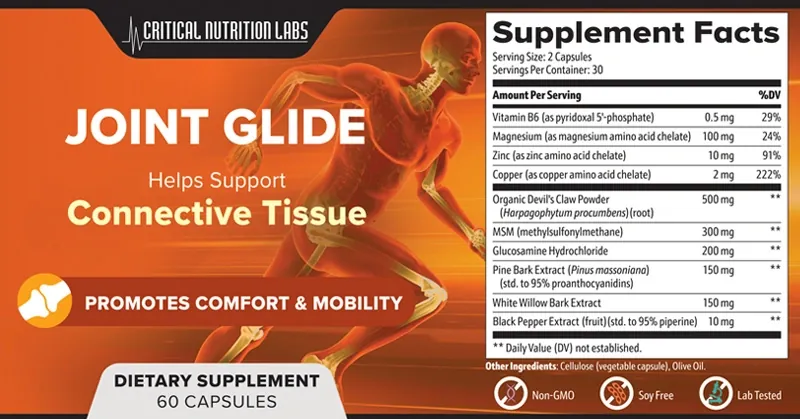
Joint Glide lists every amount, so each dose can be checked. Glucosamine is 200 mg, about 13% of the 1,500 mg used in the GAIT trial. MSM is 300 mg, about 5-9% of trial doses. Pine bark is 150 mg, the same dose used in knee trials, but from a different pine species. Devil's claw and willow bark actives are not stated.
Why do doses matter for Joint Glide?
A study result only applies at the dose the study used. If a capsule holds a fraction of that dose, the study says little about the capsule.
Joint Glide makes the check possible. All 10 ingredients have an amount on the label, with no proprietary blend. Many joint products hide those numbers.
So we lined up each amount against published trials. The numbers below are per serving of 2 capsules, which is the full daily serving.
How does each Joint Glide dose compare with research?
Label amount, trial dose and the gap, side by side.
Three ingredients sit well below trial doses, one matches, and two cannot be checked. The minerals land near daily needs.
| Ingredient | Joint Glide label | Dose used in research | How it compares |
|---|---|---|---|
| Glucosamine hydrochloride | 200 mg | 1,500 mg a day (GAIT trial) (Clegg et al., 2006) (NCCIH, Glucosamine) | About 13% of the trial dose |
| MSM | 300 mg | 3,375 to 6,000 mg a day (Kim et al., 2006) (Debbi et al., 2011) | About 5-9% of trial doses |
| Devil's claw root powder | 500 mg (harpagoside not stated) | Extracts giving 50-100 mg harpagoside a day (Oltean et al., 2014) | Cannot be checked |
| White willow bark extract | 150 mg (salicin not stated) | Extracts giving 120-240 mg salicin a day (Chrubasik et al., 2000) (Biegert et al., 2004) | Cannot be checked |
| Pine bark extract | 150 mg (Pinus massoniana) | 150 mg a day (Pinus pinaster, Pycnogenol) (Cisár et al., 2008) (Farid et al., 2007) | Same dose, different pine species |
| Black pepper extract | 10 mg (about 9.5 mg piperine) | 20 mg piperine in an absorption study (Shoba et al., 1998) | About half |
| Copper | 2 mg (222% DV) | RDA 0.9 mg; upper limit 10 mg (NIH ODS, Copper) | Above the RDA, well under the limit |
| Zinc | 10 mg (91% DV) | RDA 8-11 mg; upper limit 40 mg (NIH ODS, Zinc) | Near the RDA |
What do the dose gaps look like?
The bars show each label amount as a share of the research dose. A full bar means a match. A short bar means the capsule holds far less than the study used.
Bars show the label amount as a share of the dose used in research. Striped bars mean the label does not state the active compound, so it cannot be compared.
Glucosamine and MSM: how big is the gap?
The gap is large for both. Glucosamine is about 13% of the GAIT dose, and MSM is about 5-9% of the doses in two MSM trials.
Glucosamine: 200 mg vs 1,500 mg
The GAIT trial gave 1,500 mg of glucosamine a day for 24 weeks. Even at that dose, it did not reduce knee pain significantly overall (Clegg et al., 2006). The NCCIH still calls the evidence uncertain (NCCIH, Glucosamine).
The label also does not say where its glucosamine comes from. Buyers who avoid shellfish may want to ask.
MSM: 300 mg vs 3,375 to 6,000 mg
One pilot trial used 6 g of MSM a day for 12 weeks (Kim et al., 2006). A second trial used 3.4 g a day and found small gains of unclear clinical value (Debbi et al., 2011).
| Ingredient | Per serving | Trial dose a day | Servings to match | Capsules to match |
|---|---|---|---|---|
| Glucosamine HCl | 200 mg | 1,500 mg | 7.5 | 15 |
| MSM (lower trial) | 300 mg | 3,375 mg | 11.3 | about 23 |
| MSM (higher trial) | 300 mg | 6,000 mg | 20 | 40 |
| Pine bark | 150 mg | 150 mg | 1 | 2 |
Extra capsules raise every ingredient at once. At 7.5 servings, copper would reach 15 mg, above the 10 mg daily upper limit (NIH ODS, Copper).
Pine bark: the closest match, with a species catch
Pine bark is the one ingredient that matches a trial dose. Joint Glide has 150 mg, and two knee trials also used 150 mg a day (Cisár et al., 2008) (Farid et al., 2007).
The catch is the tree. Those trials used French maritime pine (Pinus pinaster), sold as Pycnogenol. Joint Glide uses Pinus massoniana, a pine native to China.
Both are standardized for proanthocyanidins, and Joint Glide lists 95%. But extracts from different species can differ in their exact mix of compounds. A study on one does not prove the other works the same way.
On safety, pine bark extract is usually taken at 100 to 400 mg a day. It has not been linked to liver injury (LiverTox, Pine bark).
Why are devil's claw and willow bark marked "not stated"?
The label gives the weight of each herb but not its key active compound. Research doses are written in those compounds, so the two cannot be compared.
Devil's claw: 500 mg root powder
Trials used extracts giving 50 to 100 mg of harpagoside a day, with low-quality evidence for back pain (Oltean et al., 2014). A root powder's harpagoside level can vary a lot, and the label gives no figure.
White willow bark: 150 mg extract
Trials used 120 to 240 mg of salicin a day (Chrubasik et al., 2000). In knee and hip osteoarthritis, 240 mg showed no relevant benefit (Biegert et al., 2004). The label does not give salicin.
Willow bark is also a salicylate, the same family as aspirin. Our post on white willow bark and aspirin covers who should skip it.
Where does cartilage enzyme research fit in?
Enzyme research explains how cartilage wears down. It does not measure any product. A 2016 review describes how matrix metalloproteinases, or MMPs, break down cartilage in osteoarthritis (Rose & Kooyman, 2016).
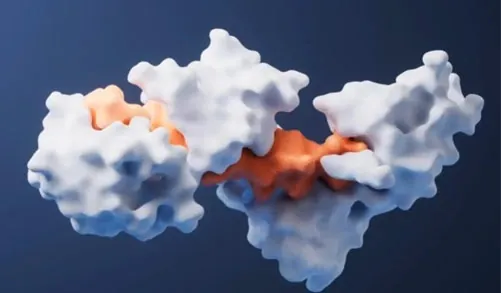
Reviews like this are useful background. They cannot tell you whether 200 mg of glucosamine or 300 mg of MSM will do anything.
Black pepper and the minerals: where the label is close
The smaller ingredients sit closer to known reference points. Black pepper extract gives about 9.5 mg of piperine, about half the 20 mg used in an absorption study (Shoba et al., 1998).
Piperine can change how the body absorbs other compounds. If you take prescription drugs, ask a pharmacist before adding it.
Zinc at 10 mg is near the daily need (NIH ODS, Zinc). Magnesium at 100 mg is well under the 350 mg supplement limit (NIH ODS, Magnesium). Vitamin B6 at 0.5 mg is below the daily need (NIH ODS, Vitamin B6). Copper at 2 mg is above the RDA but under the upper limit.
What can a buyer do with these Joint Glide numbers?
Use the numbers to set fair expectations. Then decide if the price and the refund window suit you.
Match your goal to the evidence
If you want a glucosamine or MSM trial dose, Joint Glide does not supply it.
Ask about the missing actives
Call +1 (727) 351-3065 and ask for harpagoside and salicin per serving.
Use the guarantee window
The 60-day refund covers you while you judge it. Only the 3 and 6-bottle packs last that long.
Want a wider view? The 10-point supplement checklist scores every part of the label. For testing claims, see turmeric, lead and supplement testing.
FAQ
Joint Glide doses FAQ
Is Joint Glide's glucosamine dose the same as in studies?
No. It has 200 mg per serving, about 13% of the 1,500 mg a day used in the GAIT trial (Clegg et al., 2006).
Which Joint Glide dose matches the research best?
Pine bark. Its 150 mg equals the daily dose in two knee trials, though those used French maritime pine.
Can I take more capsules to reach the trial dose?
No. Stick to the label. More capsules would also raise copper and willow bark past sensible levels.
Why can't the devil's claw dose be checked?
Research doses are given as harpagoside. The label lists 500 mg of root powder without a harpagoside figure.
Has anyone tested the full Joint Glide formula?
No trial of the finished Joint Glide formula has been published. The research covers single ingredients.
Where can I see every Joint Glide amount?
The Supplement Facts page shows the full label, typed out line by line.
Keep reading
More about Joint Glide
Supplement Facts
The Joint Glide label typed out line by line, with serving math, %DV and what the icons mean.
Read more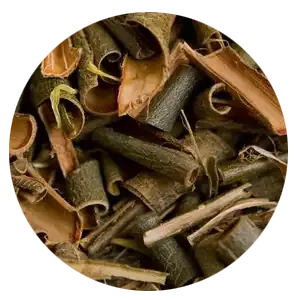
White willow bark and aspirin
Salicin, aspirin and Joint Glide: research doses, who should skip willow bark and what to ask a pharmacist.
Read more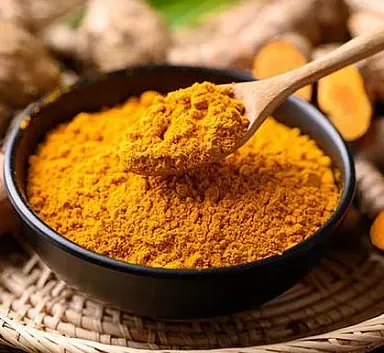
Turmeric, lead and testing
The 2017 turmeric and lead study, why Joint Glide has no turmeric, and how to check a testing claim.
Read moreUSA authorized Joint Glide retailer
Ready to try Joint Glide with the 60-day guarantee?
Order through the authorized retailer page so your order ID is on file with the refund desk. One bottle is $69.00 plus $7.99 shipping on the order page; 3 and 6-bottle prices are shown at checkout.
Questions before you buy? Call +1 (727) 351-3065. 60-day money-back guarantee, return shipping paid by the buyer.