Guide
Joint Support Guide: Cartilage Basics, Habits and Where Joint Glide Fits
Cartilage is the smooth tissue that lets bones glide. The habits with the best evidence are regular activity (about 150 minutes a week plus 2 days of strength work), a healthy weight, good sleep and supportive shoes. A supplement such as Joint Glide is a small add-on at most. It works alongside those habits, never in place of them or a doctor visit.
The basics
What do cartilage and connective tissue do?
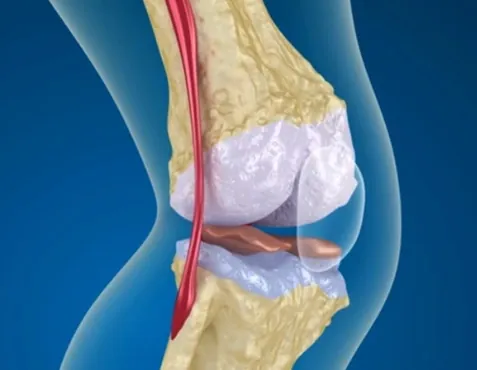
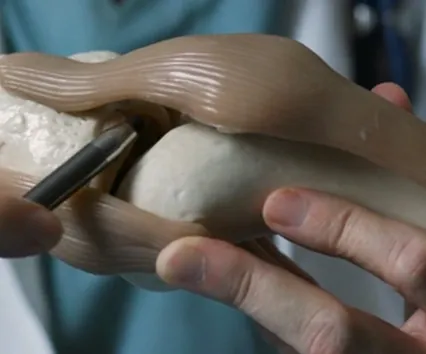
Cartilage is a smooth, rubbery layer that covers the ends of bones inside a joint. It lets the bones slide past each other with very little friction. Other connective tissues hold the joint together and move it.
Cartilage has no blood vessels of its own. It gets nutrients from the joint fluid around it. That is one reason it changes slowly, for better or worse.
Movement helps. When you bend and load a joint, fluid moves in and out of the cartilage, a bit like a sponge. Long stretches of sitting give it less of that motion.
| Tissue | Where it is | Main job |
|---|---|---|
| Cartilage | Ends of the bones | Smooth, low-friction surface that spreads load |
| Joint (synovial) fluid | Inside the joint capsule | Lubricates the joint and feeds the cartilage |
| Ligaments | Bone to bone | Keep the joint stable |
| Tendons | Muscle to bone | Pass muscle force to the bone so the joint moves |
| Muscles | Around the joint | Move the joint and absorb shock |
Osteoarthritis
What is osteoarthritis, in plain terms?
Osteoarthritis is the most common kind of arthritis. It happens when the tissues in a joint break down over time, and it can affect one joint or several (CDC, Osteoarthritis).
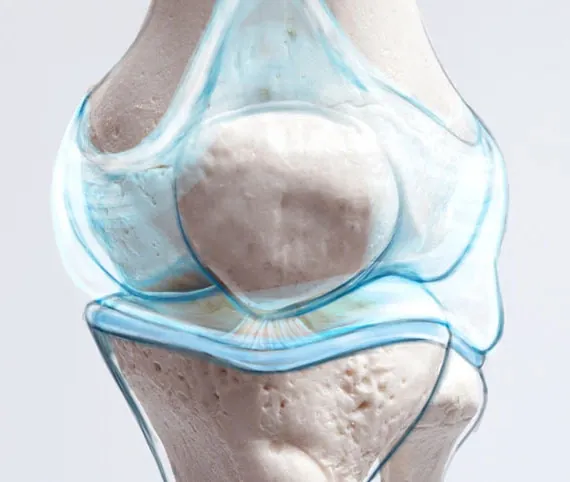
The knees, hips, hands and lower back are common spots. Age, past injuries, extra body weight and family history all raise the odds.
Typical signs are pain, stiffness after rest and less range of motion. Many people notice them first on stairs or when getting out of a chair.
A doctor makes the diagnosis. A supplement cannot confirm, rule out or manage it.
Habits
Which joint habits have the strongest evidence?
Daily habits carry far more weight than any capsule.
Regular movement has the strongest evidence. The CDC says physical activity can ease joint pain and improve function in people with arthritis (CDC, Activity and arthritis). Weight, sleep and footwear round out the list.
| Habit | What to aim for | Strength of support |
|---|---|---|
| Moderate activity | About 150 minutes a week, such as brisk walks, cycling or swimming (CDC, Activity and arthritis) | Strong |
| Strength work | 2 days a week for the legs, hips and core (CDC, Activity and arthritis) | Strong |
| Healthy weight | Less body weight means less load on knees and hips | Strong |
| Sleep | 7 or more hours; poor sleep can make pain feel worse | Moderate |
| Footwear | Cushioned, stable shoes that fit; replace worn soles | Moderate |
| Supplements | Optional, after the habits above | Weak to mixed |
By the numbers
What does 150 minutes a week look like?
Minutes, 5 days
A 30-minute walk on weekdays reaches the goal.
Strength days
Sit-to-stands, step-ups and bridges count.
Minute blocks
Short bouts add up across the day.
Routine
A 10-minute morning mobility routine
Gentle moves to wake up stiff joints. Stop any move that causes sharp pain.
The routine takes about 10 minutes and needs only a chair and a wall. Move slowly and breathe normally. Mild stretch is fine; sharp pain is a signal to stop.
Ankle circles (1 minute)
Sit tall in a chair. Lift one foot and draw slow circles, 10 each way. Switch feet.
Seated knee extensions (1 minute)
Straighten one knee until the leg is level, hold 3 seconds, lower. Do 8 per leg.
Sit-to-stands (2 minutes)
Stand up from the chair without using your hands if you can, then sit down slowly. Rest as needed between sets of 5.
Wall push-ups and shoulder rolls (2 minutes)
Lean into a wall for 10 slow push-ups. Finish with 10 shoulder rolls forward and back.
Heel raises (1 minute)
Hold the chair back and rise onto your toes, then lower slowly. Do 12 to 15.
Standing hip swings (1 minute)
Hold the chair and swing one leg gently forward and back 10 times. Switch legs.
Easy walk (2 minutes)
Walk around the house or yard at a relaxed pace to finish.

Safety
When should you see a doctor about a joint?
See a doctor when a joint looks or feels different, not just stiff. New swelling, redness, heat or a recent injury need a proper exam.
Book a visit for a swollen, red or hot joint, pain after a fall or twist, a joint that locks or gives way, or pain with fever. These are not signs to handle with a supplement.
A doctor or physical therapist can also build an exercise plan around your joints. That plan is worth more than any product.
Supplements
Where do supplements fit in joint support?
Supplements sit at the bottom of the list. Research on joint ingredients is mixed, and many trials used doses larger than most capsules hold.
Glucosamine is a good example. In the large GAIT trial, 1,500 mg a day did not significantly reduce knee pain overall (Clegg et al., 2006). A federal health agency still calls the evidence uncertain (NCCIH, Glucosamine).
The FDA also does not approve supplements before they go on sale (FDA, Supplement Q&A). So the buyer does most of the checking. That means reading the label, the doses and the seller's refund terms.
- Start with activity, strength work, weight and sleep.
- Treat a supplement as a small extra, not the plan.
- Check each dose against the research before you buy.
- Tell your doctor or pharmacist about every product you take.
Our 10-point supplement checklist shows how to judge any label in a few minutes.
Joint Glide
Where does Joint Glide fit in a joint support plan?
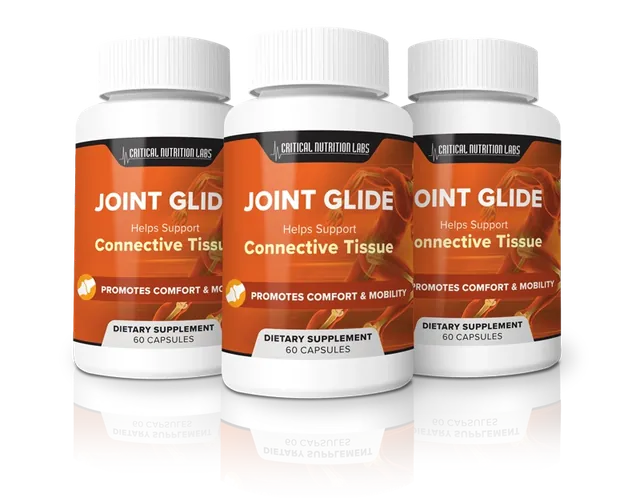
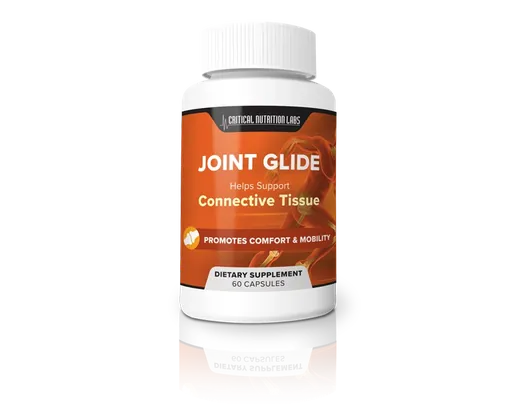
Joint Glide is a daily capsule made to help support connective tissue and promote comfort and mobility. It fits as an optional add-on to the habits above.
What it offers
- Every amount is printed; no proprietary blend
- Pine bark dose of 150 mg matches the dose used in knee trials
- Simple routine: 2 capsules each morning
- 60-day money-back guarantee
What to weigh
- Glucosamine and MSM are far below trial doses
- Devil's claw and willow bark actives are not stated
- No trial of the finished formula has been published
The formula combines devil's claw, MSM, glucosamine, pine bark, white willow bark and black pepper extract with four minerals. How Joint Glide works explains each part.
White willow bark is in the aspirin family. If you take a blood thinner or have an aspirin allergy, ask your doctor first. The who it's for page lists who should skip it.

Next steps
How do you put a joint support plan together?
Build the plan from the base up. Habits first, then a check-in with your doctor, then any supplement.
- Walk or cycle most days until you reach about 150 minutes a week.
- Add two short strength sessions each week.
- Do the 10-minute routine each morning.
- Review any supplement label and dose before you order.
Curious how each dose compares with the studies? Read Joint Glide doses vs research.
FAQ
Joint support guide FAQ
Can cartilage grow back?
Adult cartilage repairs itself very slowly because it has no blood supply. No supplement has been shown to rebuild it. Activity and strength keep the joint working well.
Is walking good for sore knees?
For most people, yes. The CDC says regular activity can ease joint pain and improve function (CDC, Activity and arthritis). Start with short walks and build up.
How many days a week should I do strength work?
Aim for 2 days a week. Simple moves like sit-to-stands, step-ups and bridges count.
Do I need a supplement for joint support?
No. Habits come first. A supplement is optional and should be checked against research doses first.
Where does Joint Glide fit?
It is an optional daily capsule made to help support connective tissue and promote comfort and mobility. Use it alongside activity and a doctor's advice.
When should I stop the morning routine?
Stop any move that causes sharp pain. See a doctor for swelling, redness, heat or pain after an injury.
Keep reading
More about Joint Glide

Choosing a joint supplement
Ten checks for any joint supplement label, plus an honest pass, partial or fail score for Joint Glide.
Read moreHow it works
The plain-words idea behind Joint Glide: cartilage, connective tissue and the role of each ingredient.
Read more
Who it's for
A quick fit check: who Joint Glide suits, who should skip it and who should ask a doctor first.
Read moreUSA authorized Joint Glide retailer
Ready to try Joint Glide with the 60-day guarantee?
Order through the authorized retailer page so your order ID is on file with the refund desk. One bottle is $69.00 plus $7.99 shipping on the order page; 3 and 6-bottle prices are shown at checkout.
Questions before you buy? Call +1 (727) 351-3065. 60-day money-back guarantee, return shipping paid by the buyer.